TL;DR
Roadsters have fascinated drivers for well over a century by delivering an unmatched sense of freedom and connection to the road. Their journey began with simple open-top horseless carriages, evolved into elegant prewar sports cars, flourished during the postwar automotive boom, and continues today with modern classics like the Mazda MX-5 Miata. Along the way, advances in engineering, iconic styling, and changing automotive culture transformed the roadster into one of the most beloved vehicle types in history. Whether powered by a roaring gasoline engine or an emerging electric drivetrain, the spirit of the roadster remains very much alive.
From Simple Carriages to Driving Icons
Few vehicles capture the romance of driving quite like an open-top roadster. The combination of fresh air, responsive handling, and an unobstructed view of the road creates an experience that feels both exciting and timeless. While automotive technology has changed dramatically over the past century, the appeal of a lightweight two-seat convertible has never truly disappeared.
The roadster’s story is about much more than removing a roof. It reflects the evolution of automotive engineering, changing design philosophies, and society’s growing love affair with personal transportation. From experimental machines that amazed rural communities to today’s refined sports cars packed with advanced technology, roadsters have continually adapted while staying true to their original purpose of delivering pure driving enjoyment.
In this guide, we’ll explore how the roadster evolved from the earliest horseless carriages into the stylish, performance-oriented machines enthusiasts admire today. Along the way, you’ll discover fascinating historical moments, influential models, and the innovations that helped shape one of the automotive world’s most enduring vehicle styles.
The Origins of Open-Top Cars: Horseless Carriages Lead the Way
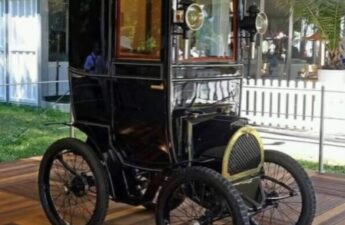
The earliest automobiles looked remarkably similar to the horse-drawn carriages they were designed to replace. Rather than reinvent transportation overnight, inventors simply mounted engines onto familiar carriage frames. As a result, many of the world’s first motor vehicles featured open cabins with minimal weather protection.
There were practical reasons for this design.
Enclosed passenger compartments increased both weight and manufacturing complexity. Since early engines produced modest power, keeping vehicles light was essential. Open bodies also improved visibility and made it easier for engineers to monitor the machinery during testing and maintenance.
Across both Europe and the United States, automotive pioneers experimented with lightweight open vehicles that naturally evolved into the simple two-seat layout that would later define the classic roadster.
One memorable story from 1905 perfectly illustrates how revolutionary these machines appeared to the public. During a rural demonstration, a horseless carriage quietly rolled past local farms, drawing curious onlookers who had never seen an automobile before. Farmers cautiously approached the unfamiliar machine before the smiling driver tipped his hat and invited them aboard for a short ride. Initial hesitation quickly turned into excitement, highlighting how early open-top cars served not only as practical transportation but also as remarkable public attractions that captured people’s imaginations.
How the Ford Model T Popularized Open Motoring
Few vehicles changed the automotive landscape as dramatically as the Ford Model T. While it is best remembered for making automobile ownership affordable for millions of Americans, it also played an important role in popularizing open-air driving.
The Model T was offered in several body styles, including lightweight two-seat versions that reflected many of the characteristics associated with early roadsters. These practical, driver-focused vehicles introduced countless motorists to the pleasures of open motoring and demonstrated that simple designs could still provide rewarding driving experiences.
As the 1910s progressed, the two-seat open automobile was no longer viewed as an experimental novelty. Instead, it had become an established part of everyday automotive culture, appealing to buyers who valued affordability, simplicity, and direct engagement with the road.
The Interwar Years: Roadsters Become True Sports Cars
The period between World War I and World War II marked a major turning point in roadster development. Manufacturers gradually shifted from building practical open vehicles to creating purpose-built sports cars that emphasized driving enjoyment.
European manufacturers played a particularly important role during this transformation.
Companies such as MG and Morgan focused on lightweight construction, nimble handling, and mechanical simplicity. Their cars encouraged drivers to develop a close relationship with the machine, rewarding skill and precision rather than relying solely on horsepower.
At the same time, premium manufacturers expanded the roadster’s reputation for performance and elegance. During the 1930s, brands including Alfa Romeo and Bentley introduced high-performance open-top models aimed at affluent enthusiasts who wanted both speed and sophistication.
This era also established many of the styling cues that continue to define roadsters today, including:
- Long engine hoods that emphasized performance.
- Compact rear decks that created balanced proportions.
- Flowing fenders that blended elegance with aerodynamics.
- Low seating positions that enhanced the driver’s connection to the road.
- Lightweight bodies that improved handling and responsiveness.
These design principles became timeless elements that continue to influence modern sports cars.
An especially interesting chapter in roadster history involves Jaguar’s legendary XK120. Originally unveiled as a prototype at the 1948 London Motor Show, the vehicle was intended primarily to gauge public interest. The enthusiastic response exceeded expectations, convincing Jaguar to move quickly into full production. That decision helped ignite the postwar revival of high-performance open-top sports cars and cemented the XK120’s place in automotive history.
The Postwar Golden Age of Roadsters
Following World War II, economic recovery, expanding consumer markets, and growing enthusiasm for motorsports created ideal conditions for roadster popularity to soar.
Manufacturers responded with some of the most celebrated sports cars ever produced.
Jaguar continued its success with the XK120 before introducing the breathtaking Jaguar E-Type, a model that demonstrated sports cars could combine exceptional beauty with impressive performance.
Meanwhile, Porsche refined its philosophy of lightweight engineering through the 356 Cabriolet, delivering a driving experience built around balance, agility, and driver involvement.
British manufacturers also continued producing playful two-seat sports cars that offered affordable excitement and developed loyal enthusiast communities around the world.
In the United States, roadsters took on additional cultural significance. They became symbols of youth, independence, adventure, and personal freedom. Larger American open-top cars often emphasized powerful engines and striking styling, creating a distinctly different personality from their smaller European counterparts.
Movies, magazines, and advertising further reinforced the roadster’s glamorous image. Open-top sports cars became closely associated with romance, coastal drives, and carefree lifestyles.
Many veterans returning home after the war sought exciting recreational vehicles that contrasted with their wartime experiences. Automakers answered this demand by producing stylish performance-oriented models that captured the optimism of a rapidly changing society.
Engineering Innovations That Changed the Roadster Forever
As automotive technology advanced, roadsters became significantly more capable, comfortable, and practical without sacrificing their engaging character.
Several innovations played particularly important roles.
Lightweight Construction
Improved materials and stronger chassis designs reduced weight while increasing structural rigidity. These improvements enhanced responsiveness, cornering ability, and overall driving enjoyment.
Better Suspension and Braking Systems
Independent suspension systems dramatically improved ride quality and handling. Combined with more capable braking systems, these developments made roadsters safer and more confidence-inspiring on both everyday roads and racing circuits.
More Reliable Powertrains
Engine reliability improved steadily throughout the twentieth century. Better transmissions, smoother power delivery, and increased durability allowed roadsters to evolve from occasional recreational vehicles into practical cars suitable for regular use.
Improved Weather Protection
Early roadsters offered little protection from changing weather, but folding soft tops gradually became easier to operate. Later, retractable hardtops provided even greater convenience, allowing owners to enjoy open-air driving when conditions were ideal while maintaining year-round comfort when the weather turned unfavorable.
One particularly practical innovation arrived during the 1950s when several manufacturers introduced simplified soft-top mechanisms that could be raised or lowered within minutes. Buyers appreciated the increased convenience, making roadsters appealing to a much broader audience that wanted both weekend fun and everyday usability.
The Modern Revival of the Roadster
Although roadsters declined in popularity during the late twentieth century as larger vehicles gained favor, they never disappeared entirely. Instead, they experienced a remarkable comeback that reminded the automotive world why lightweight sports cars remained so appealing.
No modern roadster deserves more recognition than the Mazda MX-5 Miata.
Introduced in 1989, the MX-5 successfully captured the charm of classic British sports cars while adding Japanese reliability, modern engineering, and affordable ownership costs. Rather than chasing maximum horsepower, Mazda focused on balance, precision, and driver enjoyment.
That philosophy proved enormously successful.
The MX-5 attracted experienced enthusiasts as well as first-time sports car buyers, inspiring competing manufacturers to develop their own compact convertibles. Its influence continues to shape the roadster market decades after its introduction.
Today’s roadsters blend timeless styling with sophisticated technology.
Modern features commonly include:
- Electronic stability control.
- Advanced safety structures and reinforced passenger compartments.
- Turbocharged engines that deliver strong performance with improved efficiency.
- Highly refined suspension systems that balance comfort with athletic handling.
- Modern infotainment and driver assistance technologies that enhance everyday usability.
Looking ahead, electric and hybrid powertrains are opening an exciting new chapter for open-top sports cars. Instant torque, quieter operation, and evolving battery technology provide fresh opportunities for manufacturers to preserve the engaging spirit of the traditional roadster while embracing a more sustainable future.
Three Memorable Roadster Stories
History is filled with entertaining moments that showcase the personality and enduring appeal of roadsters.
The Underdog That Beat Better-Funded Rivals
During the 1920s, a small British manufacturer entered a lightweight two-seat roadster in several local hill climb competitions. Despite having far fewer resources than larger competitors, clever engineering and improvised modifications helped the little car achieve surprising victories. Those wins established the company’s reputation for building capable sports cars that punched well above their weight.
A California Rally Becomes Local Legend
In the 1950s, a group of California college students discovered that their compact British roadster would not pass a surprise inspection during a local rally. Using common household items and a healthy dose of creativity, they completed enough temporary modifications to satisfy inspectors and continue the event. Their quick thinking became part of local automotive folklore and inspired annual student-organized road runs for years afterward.
Mazda’s Pursuit of Driving Feel
When developing the Mazda MX-5 Miata, engineers relied heavily on real-world testing rather than simply chasing impressive performance statistics. Armed with little more than a tape measure, careful engineering, and countless hours on the test track, the development team focused on achieving perfect balance and natural steering feel. Their commitment to driver enjoyment over raw lap times became one of the key reasons the Miata earned worldwide acclaim and lasting popularity.
Suggested Images and Alt Text
To help readers visualize the roadster’s evolution, consider including these images throughout the article:
- Early horseless carriage in a rural setting, circa 1905
Alt text: “Early horseless carriage traveling on a dirt road in 1905.” - A 1930s two-seat sports car driving along a coastal highway
Alt text: “Classic 1930s two-seater sports car on a scenic coastal road.” - A 1990s Mazda MX-5 Miata on a winding mountain road
Alt text: “Red Mazda MX-5 Miata driving through a curving mountain highway.”
Why Roadsters Continue to Inspire Drivers
Roadsters have survived more than a century of automotive change because they deliver something that few other vehicles can match. They create an immersive driving experience that emphasizes freedom, simplicity, and the joy of being fully connected to the road.
From humble horseless carriages to elegant prewar sports cars, from the postwar performance boom to today’s technologically advanced convertibles, the roadster has continually evolved without losing its defining character. Each generation has introduced new engineering breakthroughs while preserving the lightweight, driver-focused philosophy that made these cars special in the first place.
As electric and hybrid technologies reshape the future of transportation, the roadster appears ready to evolve once again. Whatever powers the next generation, enthusiasts will continue seeking the same exhilarating experience that captivated drivers more than a century ago.
Which roadster would you most like to drive? Share your favorite model in the comments below, tell us why it stands out to you, and pass this article along to fellow automotive enthusiasts who appreciate the timeless appeal of open-top motoring.
This post is generated by Chatgpt.